
 |
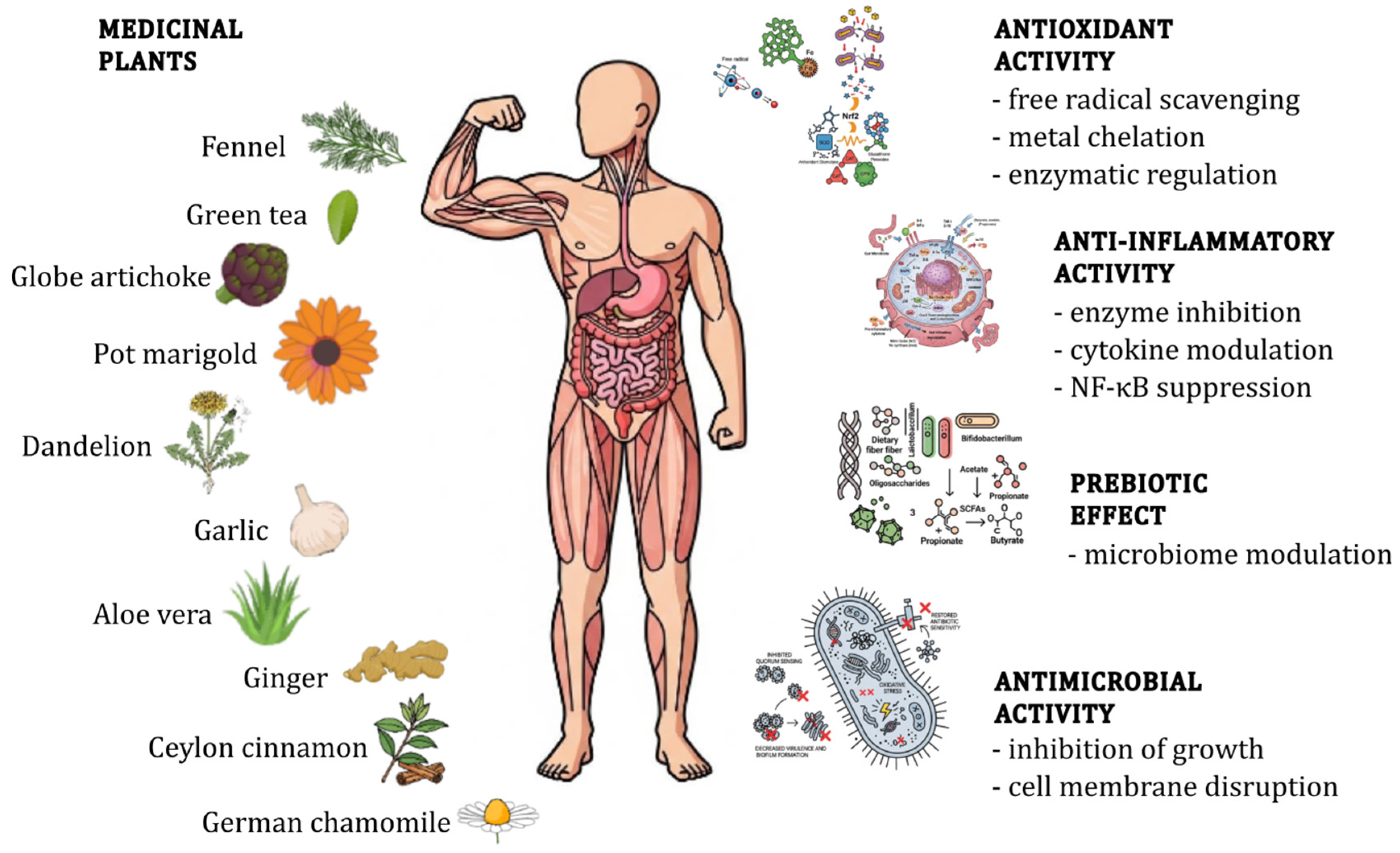
| Digestive herbs such as ginger, peppermint, and fennel support gut health, digestion, and microbiome balance naturally. |
If you often deal with bloating, sluggish digestion, or discomfort after meals, your gut may be trying to tell you something.
Many people assume digestive problems are simply part of getting older or eating the wrong foods. But researchers now know that gut health is closely tied to the balance of bacteria in the microbiome.
When this balance is disrupted, it can affect not only digestion but also energy levels, metabolism, immune function, and even weight management.
Poor gut health doesn’t just cause occasional stomach discomfort.
Studies suggest that microbiome imbalances may contribute to a range of issues, including:
- persistent bloating and gas
- irregular bowel movements
- poor nutrient absorption
- fatigue and brain fog
- increased inflammation in the digestive tract
Over time, these problems can make it harder for the body to maintain healthy metabolism and overall wellness.
The good news is that certain plant-based compounds found in traditional medicinal herbs have been studied for their ability to support digestive balance and gut function.
Herbs have been used for centuries in traditional medicine systems to support digestion. Modern research now shows that many of these plants contain bioactive compounds that influence gut function.
Some herbs help stimulate digestive enzymes, while others may:
- reduce inflammation in the digestive tract
- support the growth of beneficial bacteria
- calm intestinal spasms
- improve nutrient absorption
Here are several herbs commonly studied for their digestive-support properties.
Ginger
Ginger is widely used to support digestion.
Research suggests ginger may:
- stimulate digestive enzymes
- help food move through the stomach more efficiently
- reduce nausea and bloating
Several clinical studies show ginger can improve gastric motility, meaning it helps the digestive system move food more effectively.
Peppermint
Peppermint has long been used for digestive discomfort.
Potential benefits include:
- relaxing digestive tract muscles
- reducing bloating and abdominal cramps
- supporting people with irritable bowel syndrome (IBS)
Peppermint oil capsules are frequently studied for IBS symptom relief.
Fennel
Fennel seeds are commonly used in herbal digestive remedies.
They may help:
- reduce gas and bloating
- support enzyme production
- calm digestive spasms
Many cultures traditionally consume fennel tea after meals to support digestion.
Turmeric
Turmeric contains curcumin, a compound with strong anti-inflammatory properties.
Curcumin may support gut health by:
- reducing inflammation in the digestive tract
- supporting gut barrier function
- promoting bile production for fat digestion
Licorice Root (DGL)
Deglycyrrhizinated licorice (DGL) is often used to support the stomach lining.
Possible benefits include:
- soothing irritation in the digestive tract
- supporting stomach lining protection
- helping reduce symptoms of acid reflux
Chamomile
Chamomile is best known for relaxation but also supports digestion.
Chamomile may:
- reduce inflammation in the gut
- calm intestinal muscles
- relieve mild digestive discomfort
Chamomile tea is one of the most commonly used herbal digestive remedies worldwide.
Because digestive health is influenced by multiple factors—enzymes, gut bacteria, inflammation, and gut motility—many people choose herbal digestive supplements that combine several of these herbs together.
These formulas are designed to support:
- microbiome balance
- digestive enzyme activity
- gut lining health
- reduced bloating and digestive discomfort
However, the specific herbs and dosages used can vary widely between supplements.
Interestingly, researchers have found that different herbal extracts can behave very differently in the digestive system.
Some herbs mainly reduce inflammation, while others help beneficial bacteria grow and crowd out harmful microbes.
This means that the specific combination and concentration of herbs in a supplement can make a significant difference in how effective it is.
Because of this, we analyzed several formulations to identify which ones contain the most promising ingredients for digestive support.
If you're interested in exploring digestive supplements that combine these herbs and gut-support ingredients, you can see our detailed comparison here:
In that guide, we break down:
- ingredient quality
- probiotic strains
- herbal blends
- safety and research support
This can help you better understand which options may provide meaningful digestive support.
Key Takeaways
Gut health plays a major role in digestion, metabolism, and overall wellness. Certain herbs have traditionally been used—and are now being studied—for their potential digestive benefits.
Some of the most commonly used herbs for gut health include:
- ginger
- peppermint
- fennel
- turmeric
- licorice root (DGL)
- chamomile
While these herbs may help support digestive balance, they tend to work best when combined with healthy lifestyle habits such as balanced nutrition, fiber intake, and stress management.
References
- Hu ML et al. Ginger and gastrointestinal function. World Journal of Gastroenterology.
- Khanna R et al. Peppermint oil for irritable bowel syndrome. Journal of Clinical Gastroenterology.
- Srinivasan K. Fennel and digestive health. Food Science & Nutrition.
- Hewlings SJ, Kalman DS. Curcumin: A review of its effects on human health. Foods.
- McKay DL, Blumberg JB. Chamomile and health benefits. Phytotherapy Research.


